
Appearance
Smaller catalogs
Four short catalogs, grouped here because each is a single list rather than a full record.
Category · Treatment Room · Languages · Worker Comp Code
Category
Groups items in the Procedure catalog, and classifies each group as a service or a product.
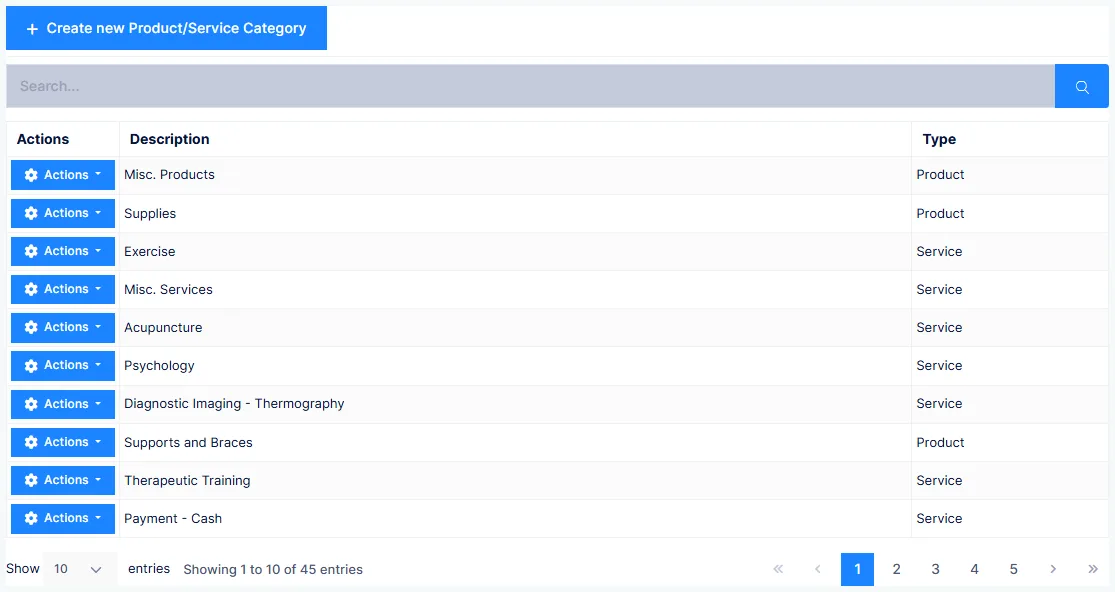
That classification matters: inventory tracking only works for items whose category is a product. Carriers can also mark whole categories as not covered, which is a far quicker way to model "this carrier never pays for supplements" than flagging items one at a time.
A category in use cannot be removed
Reassign or retire the procedures inside it first.
Treatment Room
The rooms available for treatment. This is the exception to the usual catalog rules — it is a plain list with Add, Edit and Delete, and rooms genuinely can be deleted.
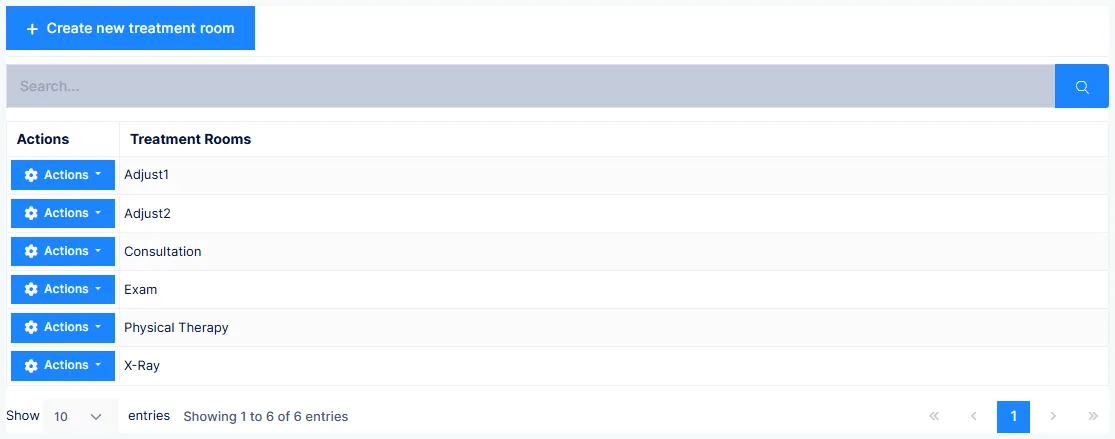
One field: the room name, up to 20 characters. No ID, no status.
Rooms populate the optional room prompt shown when a patient is signed in at the Front Desk. That prompt is switched on in settings — until then, the catalog has no visible effect.
Languages
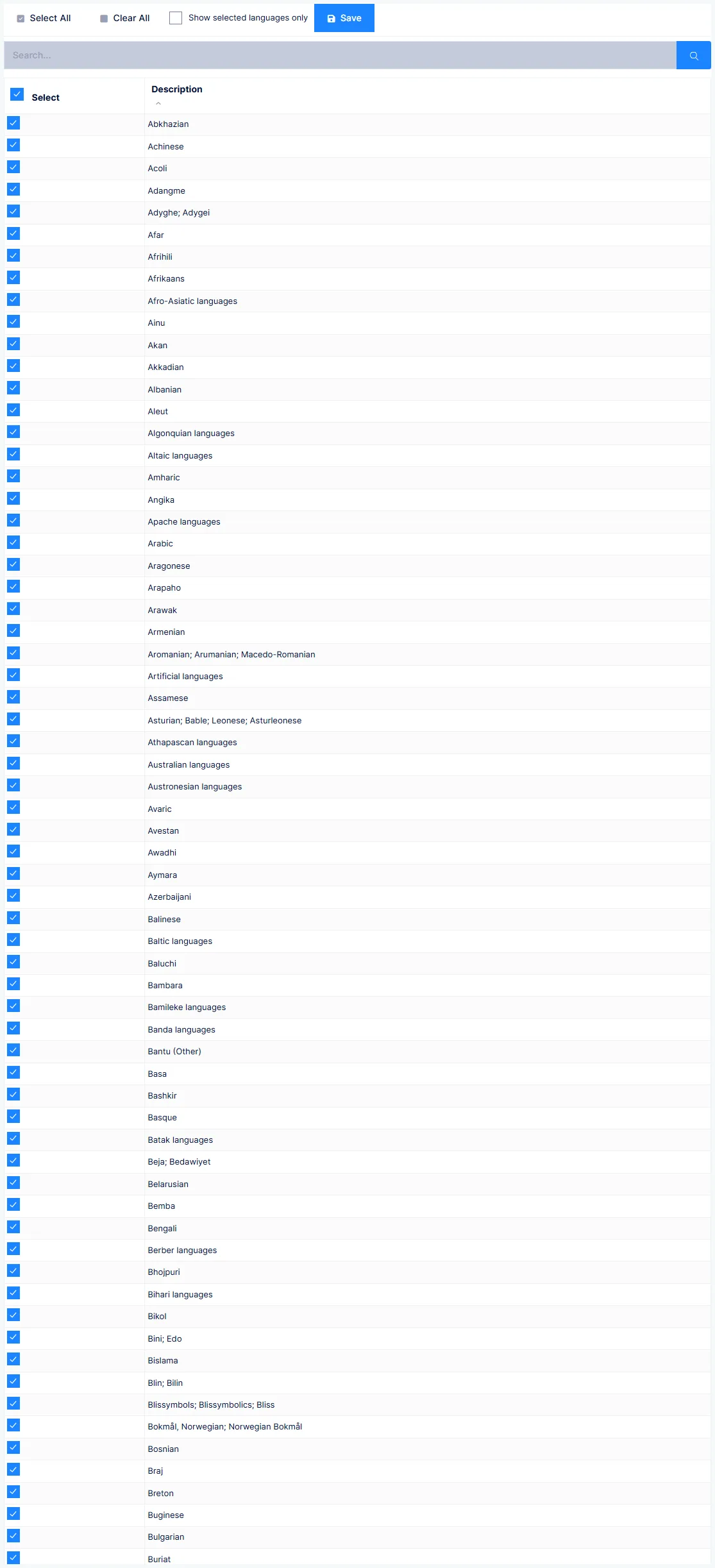
The preferred languages offered on the patient record.
This one carries regulatory weight
Preferred Language is one of the six Meaningful Use fields on a patient record. Keeping this list meaningful for your actual patient population is what makes that field worth recording — a list nobody can find their language in gets skipped.
Worker Comp Code
Workers' compensation codes used on claims.
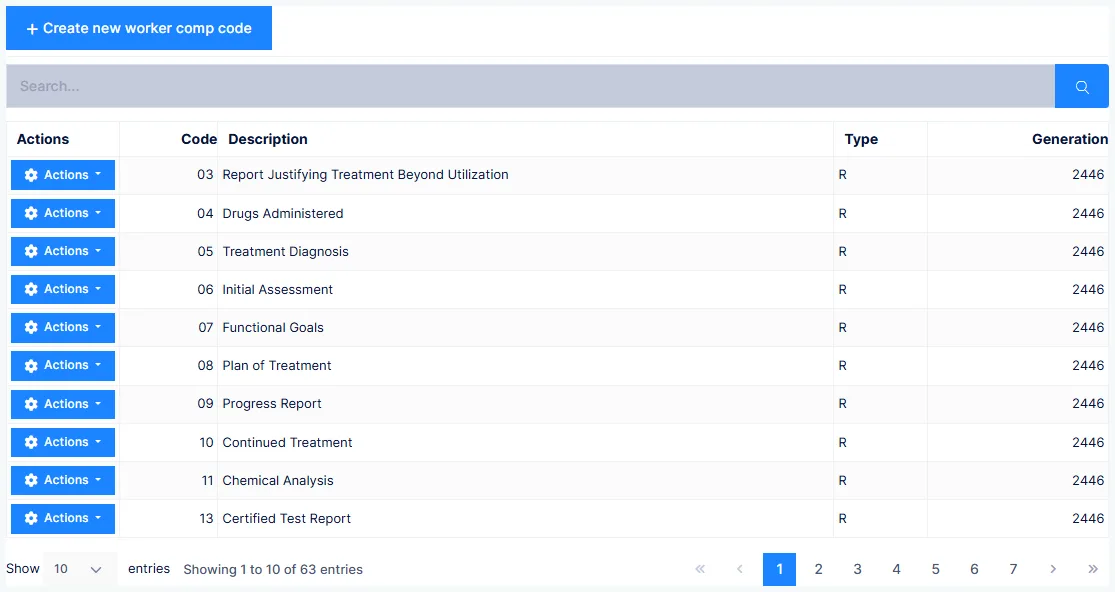
Some states — New York among them — assign code numbers to workers' compensation carriers, and the code must appear on the billing for the claim to be paid.
These are state-specific
Which codes apply, and where they print, depends on the state you practise in. New York's codes appear on the C4 forms rather than the CMS-1500.